
The Evolution of Packaging in the Grocery Sector: Benefits and Techniques
3/24/20268 min read

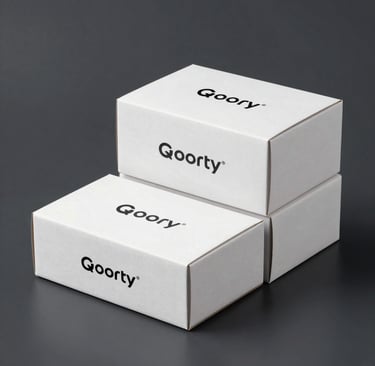
Introduction to the Packaging Industry
The packaging industry plays a pivotal role in the grocery sector, as it encompasses a wide range of materials and techniques designed to facilitate the storage, transportation, and display of food items. Packaging serves multiple purposes, including the preservation of product quality, enhancement of shelf life, and attraction of consumers. Various types of packaging materials are utilized in groceries, including boxes, bags, and pouches, each tailored to meet specific needs and demands.
Boxes are commonly used for dry goods, providing structural integrity and protection from external factors. They can be made from cardboard or rigid materials, ensuring that the contents remain secure during transit and storage. Bags, on the other hand, offer flexibility and are often seen in the packaging of snacks, grains, and produce, allowing for easy handling and display. Pouches, typically made from multi-layer films, are gaining popularity due to their lightweight design and ability to extend shelf life, particularly for liquids and perishable items.
Over the years, the packaging industry has evolved significantly, with advancements in technology leading to the adoption of eco-friendly materials and sustainable practices. Modern packaging techniques now include the integration of smart technology, such as QR codes and RFID tags, which enhance customer interaction and provide information about the product's journey. This evolution reflects a growing awareness of consumer preferences and environmental concerns, prompting companies to seek innovative solutions that align with sustainability goals.
In summary, the packaging industry within the grocery sector is crucial for ensuring product quality while also influencing consumer behavior. As technology continues to advance, the materials and methods used in packaging will likely continue to evolve, providing further benefits to both retailers and customers alike.
Importance of Packaging for Groceries and Staples
Packaging in the grocery sector plays a pivotal role in maintaining the quality and safety of food products. One of the primary functions of packaging is to prevent spoilage and extend the shelf life of groceries and staples. By utilizing materials that provide adequate barriers against air, moisture, and light, manufacturers can significantly reduce the risk of contamination and degradation. This is particularly crucial for perishable items such as fruits, vegetables, and dairy products, where freshness is paramount.
Furthermore, packaging enhances consumer convenience. Well-designed packaging allows for easy transportation, storage, and usage, catering to the dynamic lifestyles of modern consumers. Features such as resealable bags, portion control options, and user-friendly designs not only provide practicality but also improve overall customer experience. This convenience can influence purchasing decisions, as consumers are more likely to choose products that ease their daily routines.
In terms of branding, packaging serves as a powerful marketing tool. The design, color, and information presented on packaging can significantly affect consumer perception and brand recognition. Effective branding through packaging can create a lasting impression and foster customer loyalty. In today’s competitive market, grocery items need to stand out, and packaging is often the first point of interaction between the consumer and the product.
Despite its numerous advantages, packaging in the grocery sector faces challenges, particularly regarding sustainability. The growing concern over plastic waste necessitates the development of eco-friendly materials and practices. Transitioning to biodegradable or recyclable packaging solutions is crucial to align with consumer expectations and regulatory demands. Striking a balance between functionality, aesthetics, and environmental responsibility is essential for the future of packaging in the grocery industry.
The Role of Dry Fruits and Agricultural Products in Packaging
In the grocery sector, the packaging of dry fruits and various agricultural products plays a crucial role in maintaining quality and extending shelf life. These products are particularly sensitive to environmental factors, necessitating specialized packaging solutions that safeguard their integrity and nutritional properties. One of the primary requirements for effective packaging is the moisture barrier property. Since dry fruits can easily absorb moisture from the environment, leading to spoilage or loss of texture, utilizing moisture-resistant materials is essential. Packaging options often include vacuum sealing or the use of foil pouches that minimize air exposure.
Moreover, UV protection is another critical aspect of packaging for dry fruits and agricultural products. Prolonged exposure to sunlight can degrade vitamins and alter flavors. Therefore, packaging materials incorporating UV-blocking properties are increasingly used to preserve freshness and color. These advancements ensure that the products remain appealing and maintain their health benefits for an extended period.
In recent years, there has been a notable shift towards sustainable packaging innovations in the grocery sector. Biodegradable films and compostable materials are gaining traction as the industry seeks to address environmental concerns associated with plastic waste. Such materials not only meet the functional needs but also appeal to conscious consumers who prioritize eco-friendly products. Additionally, advances in smart packaging technology—such as moisture indicators and freshness sensors—are being integrated. These innovations provide real-time information about product quality, further enhancing consumer trust and satisfaction.
Overall, the packaging of dry fruits and agricultural products is an evolving field that combines functionality, sustainability, and technological advancement. As consumer preferences change and technology develops, the grocery sector must continue to adapt and innovate to meet these challenges.
Advancements in Printing Techniques for Packaging
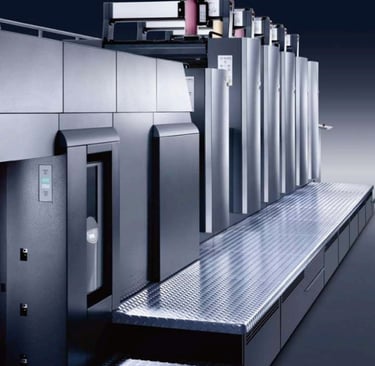
The grocery sector has witnessed significant advancements in packaging technologies over recent years, particularly in printing techniques. This evolution has enabled brands to enhance their presentation and engage consumers more effectively. Among the most notable of these advancements are digital printing, flexography, and offset printing. Each technique offers unique advantages, contributing to the overall modernization of packaging solutions.
Digital printing stands out for its ability to produce high-quality graphics with quick turnaround times. This technique allows for on-demand printing, accommodating short runs of packaging without incurring prohibitive costs. As a result, brands can also implement personalized packaging strategies to connect with consumers on a deeper level. This customization fosters a strong brand identity, essential in the competitive grocery market.
Flexography, another prominent method, utilizes flexible relief plates to print on a variety of substrates, making it incredibly versatile. This technique is particularly beneficial for large-scale production runs, efficiently producing vibrant images while maintaining cost-effectiveness. As brands aim to enhance their prospects and maintain visibility on grocery shelves, the high-speed capabilities of flexography support dynamic marketing strategies.
Offset printing, traditionally known for its superior image quality and reproducibility, remains a popular choice for packaging. This technique consistently delivers sharp graphics and precise color replication, contributing to a professional appearance that can elevate consumer perception of the product. Furthermore, the adaptability of offset printing allows for various paper stocks and finishes, providing brands with limitless opportunities to craft their packaging.
In summary, advancements in printing techniques such as digital printing, flexography, and offset printing have fundamentally transformed the grocery packaging landscape. By improving graphic quality, offering customization options, and fostering brand identity, these innovations play a crucial role in enhancing consumer engagement and competitive advantage in the marketplace.
Sustainability in Packaging Solutions
The grocery sector is experiencing a significant shift towards sustainability in packaging solutions, responding to increased consumer demand for environmentally friendly options. This evolution recognizes the urgency of addressing environmental concerns, particularly plastic waste, which has become a pressing global issue. Biodegradable plastics, recycled materials, and plant-based packaging are at the forefront of sustainable initiatives within the industry.
Biodegradable plastics, made from renewable resources such as corn starch or sugarcane, break down more easily in natural environments compared to traditional petroleum-based plastics. These materials are designed to decompose within a specific timeframe, thus reducing their overall environmental impact. Notable brands are now incorporating biodegradable options for items like bags, containers, and film wrap, marking a substantial step toward a more sustainable future.
In addition to biodegradable options, the use of recycled materials in packaging has gained traction in the grocery sector. Brands are increasingly utilizing post-consumer recycled content to create packaging that reduces the need for virgin materials. This not only conserves resources but also minimizes the carbon footprint associated with production. For example, major retailers are introducing packages made entirely from recycled cardboard, which helps to convey a commitment to sustainability and responsible sourcing.
Plant-based packaging made from materials such as bamboo or hemp is also rising in popularity. These alternatives provide a renewable resource that can be sustainably harvested and processed. Some companies have embraced this technology to create packaging solutions that are both functional and biodegradable, further appealing to eco-conscious consumers.
Brands such as Unilever and Coca-Cola are leading initiatives in sustainable packaging by launching ambitious targets aimed at reducing plastic waste. Their commitment highlights the growing importance of sustainability in consumer decisions and sets a benchmark for others in the industry to follow.
Industry-Specific Packaging Solutions
In the grocery sector, packaging is designed not only to serve its fundamental purpose but also to address the specific requirements of various industries. For instance, the pharmaceuticals industry necessitates stringent packaging standards due to regulatory compliance and the sensitive nature of the products. Packaging solutions in this sector often include tamper-evident seals, child-resistant designs, and clear labeling to ensure safety and proper usage. By incorporating these specifications, pharmaceutical packaging enhances product safety and aligns with consumer trust.
Similarly, the automobile industry faces its own unique challenges regarding packaging. Components must be protected from damage during transportation and storage, and therefore, packaging often incorporates robust materials that can endure harsh conditions. This sector has seen innovation through the use of custom packaging solutions that not only protect the integrity of auto parts but also adhere to branding requirements. Effective packaging in the automobile industry can lead to enhanced brand perception and customer satisfaction.
The textiles industry presents yet another distinct approach towards packaging. Due to the varied nature of textile products, packaging must accommodate different shapes, sizes, and material types. Sustainable packaging solutions have gained traction in this sector as consumers increasingly demand eco-friendly practices. Utilizing biodegradable or recycled materials not only addresses environmental concerns but also enhances brand loyalty among consumers who prioritize sustainability.
Across all these industries, tailored packaging solutions have been pivotal in overcoming challenges associated with product safety and regulatory compliance. By adopting innovative packaging strategies, businesses can improve their brand perception while ensuring their products meet industry standards. Each sector showcases unique approaches and emphasizes the need for specialized solutions in a rapidly evolving marketplace.
Future Trends in Packaging Technology
The grocery sector is on the brink of profound changes, driven by advancements in packaging technology. One of the most significant trends emerging is smart packaging. This technology utilizes sensors and indicators to communicate information about product freshness, temperature, and even the presence of contaminants. Such innovations aim to enhance consumer safety and increase the shelf life of perishable goods. By integrating smart packaging with the Internet of Things (IoT), brands can provide real-time data to consumers about their products, ultimately enhancing the shopping experience.
Additionally, automation in packaging lines is transforming how products are prepared for retail. With the rise of robotics and automated machinery, grocery companies can achieve greater efficiency and precision in their packaging processes. Automation can help reduce waste, streamline operations, and minimize human error, resulting in significant cost savings and productivity enhancements. As demand for sustainability grows, automated systems can also facilitate the use of eco-friendly materials, aligning packaging solutions with consumer preferences for environmental responsibility.
Artificial intelligence (AI) is poised to play a crucial role in the future of packaging technology as well. By analyzing consumer data and market trends, AI can predict purchasing behavior and optimize packaging designs accordingly. For instance, AI can identify which packaging materials resonate best with shoppers or suggest packaging modifications that enhance functionality while appealing to eco-conscious customers. This predictive capability not only informs brand strategies but also enhances the overall consumer experience, catering to preferences that are increasingly centered around sustainability and convenience.
These advancements are set to reshape the grocery landscape, prompting brands to adapt their strategies to remain competitive. As technology evolves, it will undoubtedly bring forth opportunities for businesses to engage with consumers in new and innovative ways, ultimately redefining how grocery products are packaged and presented.
Printing Services
High-quality printing services for businesses in India.
Email : print@spektrumprints.com
© 2024. All rights reserved.
OFFICE: NO.104/2 , Tavarekere Main Road DRC Post , Bangalore -560029
Contact : +91 8867-717-131
Journals
Magazines
Newsletters
Fliers
Corporate Identity Kits
Booklets
Posters
Mailers
Memo Pads
Letterheads
Annual Reports
Art Books
Banners
Calendars
Carry Bags
Catalogs
Children Books
Coffee Table
Books
Corporate Stationary
Danglers
Diaries
Hardcase Book
Labels
Leaflets
Literature
Packaging Materials
Paper Products
Perio
T-shirt Print
MUG Print
SunBoard
Sign Boards



Scan QR for Review our work !